
Why Enterprise AI Needs a Constitution
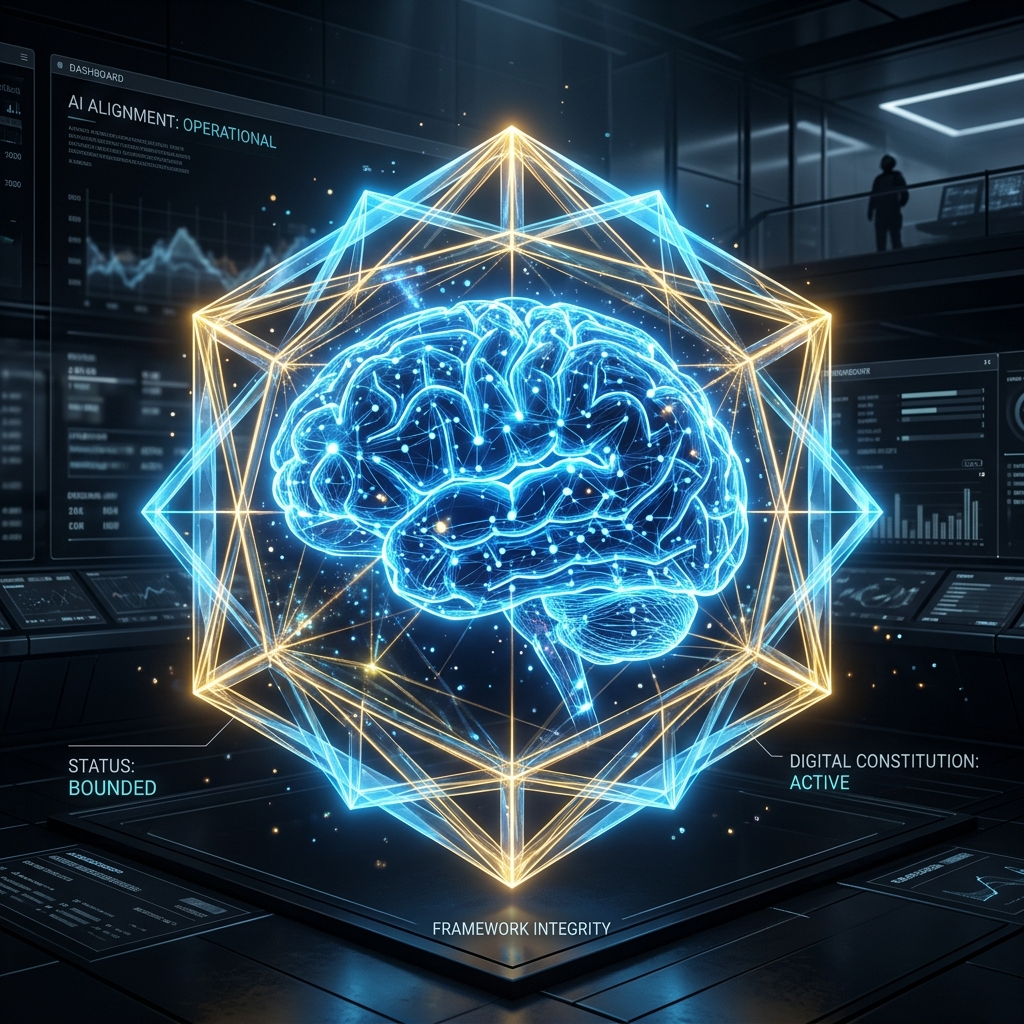
Large Language Models (LLMs) and deep learning models have taken over modern enterprise workflows. Yet, as their roles expand, so does a dangerous assumption: that these probabilistic models can serve as autonomous decision-makers in regulated environments.
The Probabilistic Trap
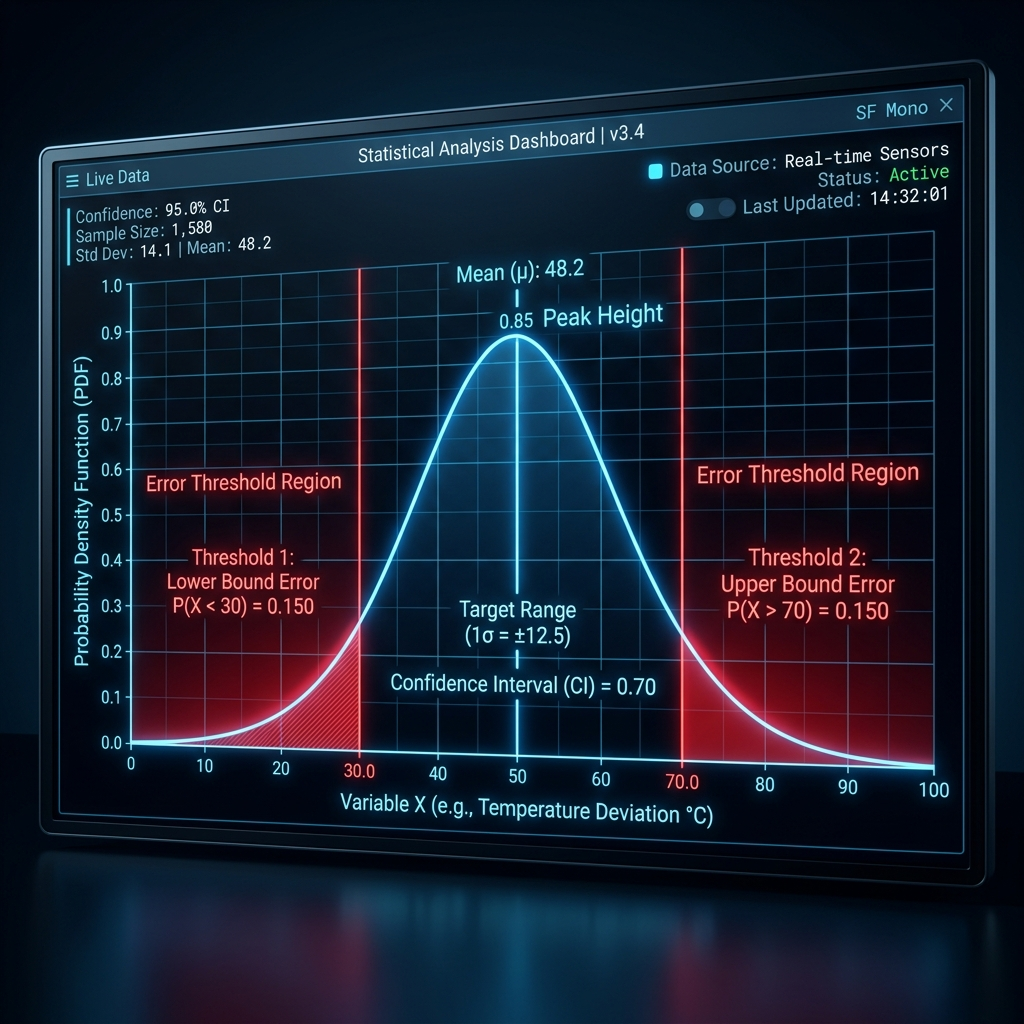
At their core, neural networks are statistics engines. They predict the most likely next word, pixel, or numerical weight based on vast amounts of historical data. They do not possess logic, reasoning, or understanding of human constraints.
In a non-regulated field, a 3% error rate (or "hallucination" rate) is acceptable. If a search engine suggests a slightly wrong restaurant or a generative tool makes a minor grammar error, the cost is negligible. But in institutional and clinical environments—where a mistake can lead to billing fraud, CMS sanctions, or patient harm—probabilistic systems cannot be trusted with autonomous execution.
"If the system's output is decided by the weight of a neural network rather than a declared, auditable rule, you have outsourced your compliance to a mathematical roll of the dice."
The Witness Model: AI Under Surveillance
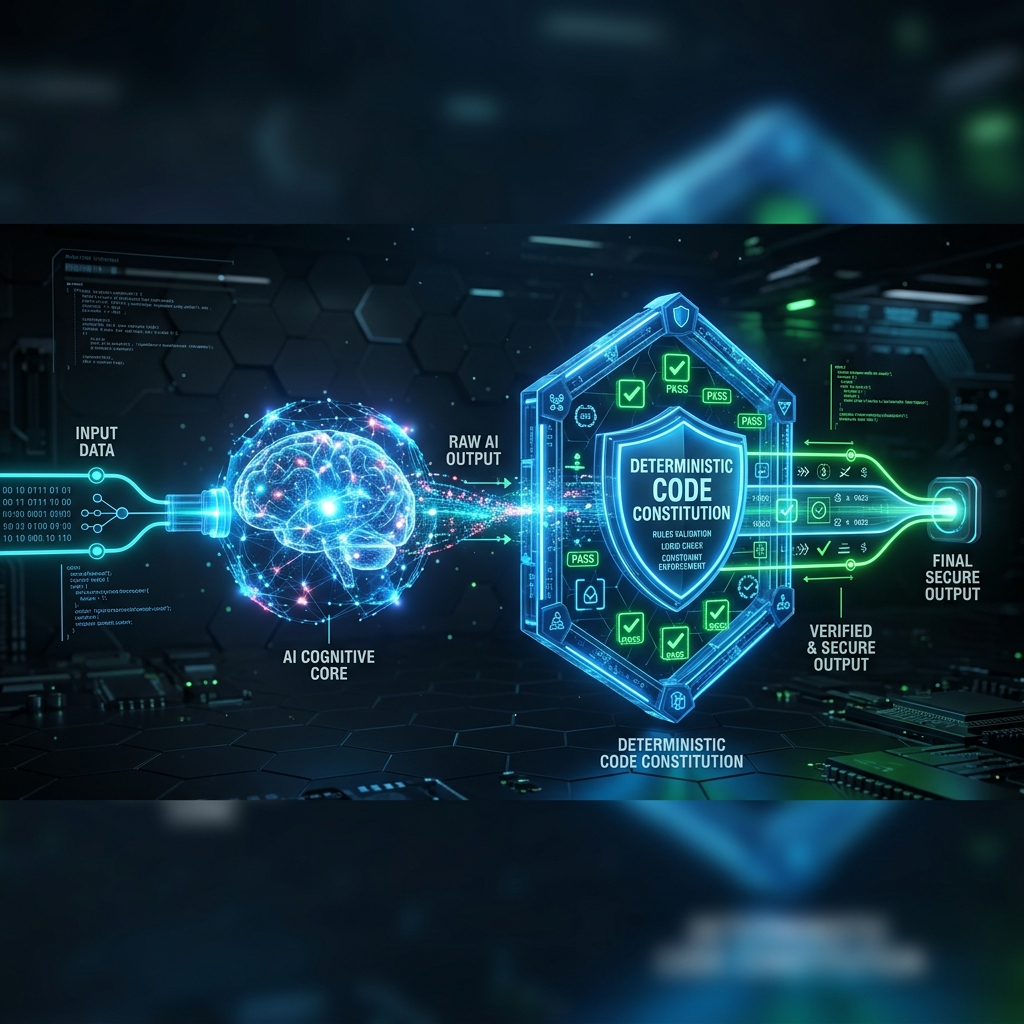
HollywoodOS resolves this vulnerability by establishing a strict architectural pattern: **AI is a witness, not the judge.**
When an LLM summarizes a clinical chart or recommends a billing code, that recommendation is treated as raw data input. It cannot execute. Instead, it is routed through the **HollywoodOS Core Constitution**—a suite of declarative, soft-metadata rulesets. These rules are compiled statically and run deterministically.
If the AI suggests a billing code that violates active Medicare policies or CPT-compliance parameters, the constitution overrides the suggestion instantly. The AI’s output is rejected or flagged, and the entire audit trail (what the AI suggested, why it was modified, and which rule overrode it) is logged indelibly in the system ledger.

Decoupling Policy from Intelligence
Many modern platforms try to align AI by "fine-tuning" or prompting. They feed system instructions telling the AI to "be compliant." This is a security flaw. Prompts can be bypassed via injection, and fine-tuning drifts over time.
By separating the **intelligence layer** (the AI models) from the **policy layer** (the code constitution), HollywoodOS ensures that compliance is enforced by the operating system itself. You can swap models, upgrade LLMs, or change vendors, but the rules governing them remain fixed, auditable, and immutable.